Building Lifelong Relationships: The Art of Family-Oriented Living
Summary
This article explores the essence of lifelong relationships and family-oriented lifestyles. It emphasizes the importance of marriage traditions, effective communication, and community support. Readers will learn practical strategies to strengthen their bonds and create nurturing environments for their families.
Understanding Lifelong Relationships
Lifelong relationships are more than just romantic entanglements; they are the foundation upon which family-oriented lifestyles are built. These connections provide emotional support, foster growth, and create a nurturing environment for children. They are characterized by deep mutual respect, understanding, and shared values that evolve over time.
The Role of Marriage Traditions in Modern Relationships
Marriage, viewed through the lens of tradition, offers a framework that many couples find comforting. Traditions can serve as a guide—providing structure while allowing for personal expression. Consider the example of couples who choose to adhere to traditional marriage ceremonies. These rituals can reinforce the commitment to each other and serve as a reminder of the values that bind them. For instance, a couple may opt for a handfasting ceremony, symbolizing their union in a way that resonates with their beliefs and cultural background.
Real-World Scenarios
Take Sarah and Tom, who recently celebrated their ten-year anniversary. They attribute their success to a blend of traditional values and modern adaptability. Every year, they revisit the vows they exchanged and engage in a family ritual that involves writing letters to each other, reflecting on their growth and aspirations. This practice not only strengthens their bond but sets an example for their children about the importance of communication and commitment.
Creating a Family-Oriented Lifestyle
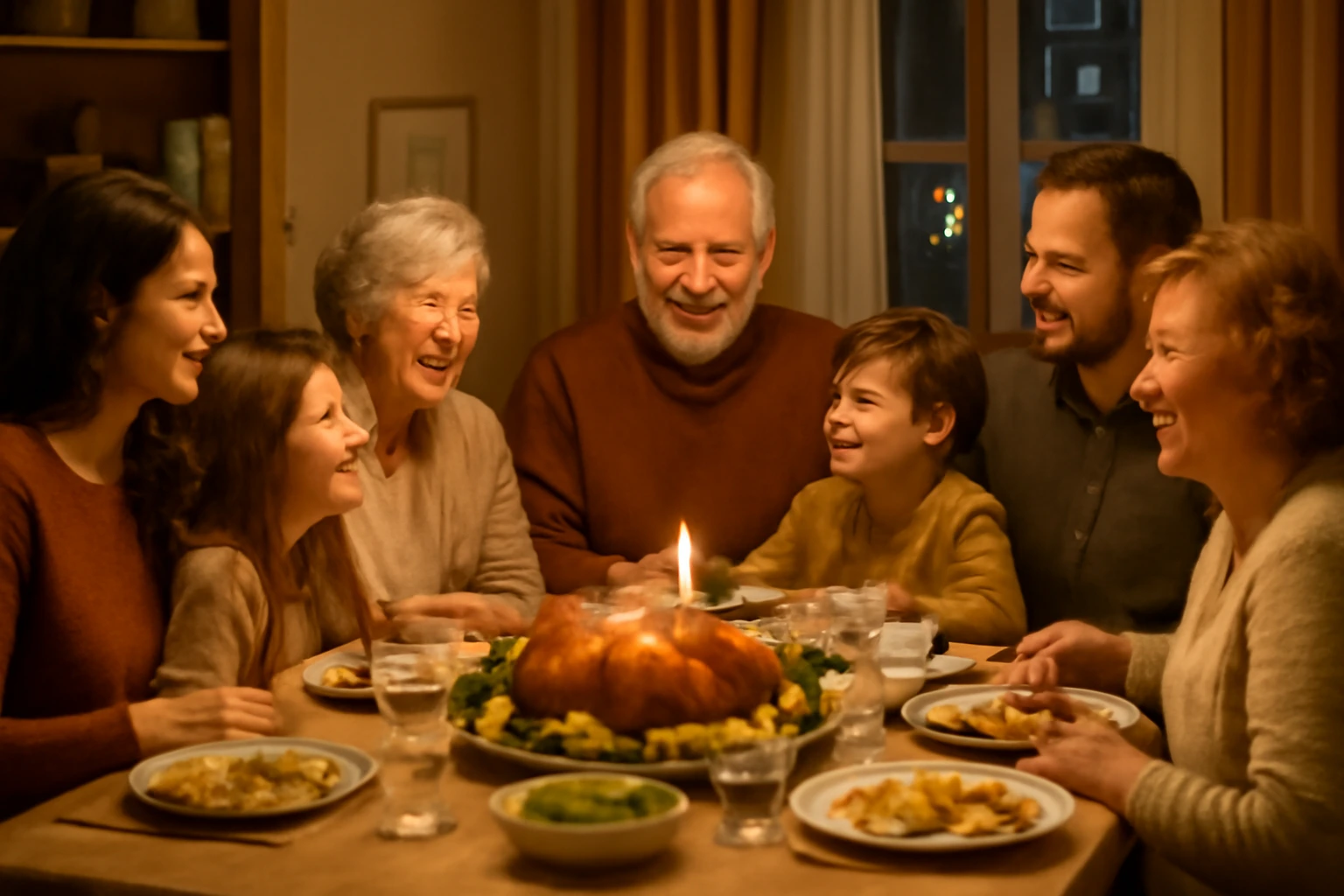
A family-oriented lifestyle is intentionally crafted, rooted in shared experiences and mutual support. Integrating this lifestyle into daily routines can be quite rewarding but requires conscious effort. Family dinners, game nights, and weekend outings are simple yet effective ways to foster connection. For instance, the Johnsons make it a point to have dinner together every Sunday, where they discuss the week’s highs and lows. This practice has solidified their family bond and opened doors for deeper conversations.
Balancing Work and Family Life
Businessmen often face the challenge of balancing work commitments with family life. The pressure to succeed can overshadow familial responsibilities, leading to tension at home. This is where establishing boundaries becomes essential. Consider Mark, a successful entrepreneur who learned the hard way about the importance of disconnecting from work after hours. By setting a firm policy of no work emails after 6 PM, he has found more time to engage with his family, attend his children’s activities, and even connect with his spouse on a deeper level.
Lessons from Traditional Wives and Husbands
Exploring the roles within traditional marriages can provide valuable insights into building a family-oriented lifestyle. Traditional wives and husbands often embody specific values that contribute to the family unit. For example, the commitment to nurturing roles can lead to a more harmonious home. This doesn't mean conforming to outdated stereotypes; rather, it’s about finding a balance that works for both partners. If a husband takes on a more domestic role while the wife focuses on her career, they can create a partnership that suits their individual strengths.
Practical Application
In a scenario where both partners work demanding jobs, delegating household responsibilities can alleviate stress. The couple might decide to hire a cleaning service while they share cooking duties on weekends. This not only frees up time but also enhances their relationship as they work together towards a common goal. Couples Choosing a Traditional Life Together often find that these collaborative efforts deepen their connection.
Maintaining Lifelong Bonds
To maintain lifelong relationships, it's crucial to embrace change. Life will inevitably throw challenges your way, whether through career changes, health issues, or personal growth. Couples like Amanda and Jake have navigated significant life transitions by prioritizing their relationship. They frequently check in with each other, discussing how each change impacts their family dynamics. This open line of communication allows them to adapt and grow together.
Investing in the Future
Investing time in each other is paramount. Regular date nights, weekend getaways, or even quiet evenings at home can help couples reconnect. During these moments, they can reflect on their journey together and set future goals. For instance, they might discuss their dreams of traveling as a family or supporting each other’s career aspirations.
The Power of Community in Building Relationships
Lastly, the importance of community cannot be overstated. Surrounding oneself with supportive friends and family can strengthen lifelong relationships. Couples benefit from sharing experiences with others who share similar values. For example, participating in community events or joining family-oriented groups can create a support network that reinforces the principles of a family-oriented lifestyle.
Building Connections
Consider the Ramirez family, who organized a community potluck every month. This initiative not only brought families together but also fostered relationships that extended beyond the event. Through these gatherings, they found mentors, friends, and an invaluable support system that uplifted their family dynamics.
Ultimately, cultivating lifelong relationships and a family-oriented lifestyle is a journey. It requires active participation, commitment, and the willingness to adapt. Whether through traditional practices or modern approaches, the goal remains the same: to build a loving, nurturing environment that supports growth and connection. For more insights, explore Lessons from Traditional Wifes and Husbands and discover how these principles can apply to your life.
Frequently Asked Questions
What are some effective ways to strengthen lifelong relationships?
Strengthening lifelong relationships involves regular communication, shared experiences, and actively supporting each other’s goals. Simple activities like family dinners or date nights can reinforce bonds.
How can traditional marriage practices benefit modern couples?
Traditional marriage practices can provide a framework for commitment and shared values, helping modern couples navigate challenges and enhance their relationships.
What role does community play in maintaining family-oriented lifestyles?
Community offers support and connection, allowing families to share experiences and resources, which can strengthen their relationships and provide a sense of belonging.
How can busy professionals balance work and family life?
Busy professionals can balance work and family by setting clear boundaries, prioritizing family time, and delegating household responsibilities to create a healthier work-life balance.
What are some examples of family-oriented activities?
Family-oriented activities can include game nights, community events, shared hobbies, or regular family outings that encourage connection and collaboration.
About the author

Ethan Harrison is a dedicated family-oriented leader and entrepreneur based in Denver, CO. With a passion for fostering traditional values in the modern world, he guides men in cultivating resilience and clarity in their personal and professional lives. His expertise in leadership and wealth building empowers his clients to create stable, loving homes that serve as a foundation for lasting success. Ethan believes that strong relationships and disciplined personal growth are the keys to achieving fulfillment and purpose in today's fast-paced society.